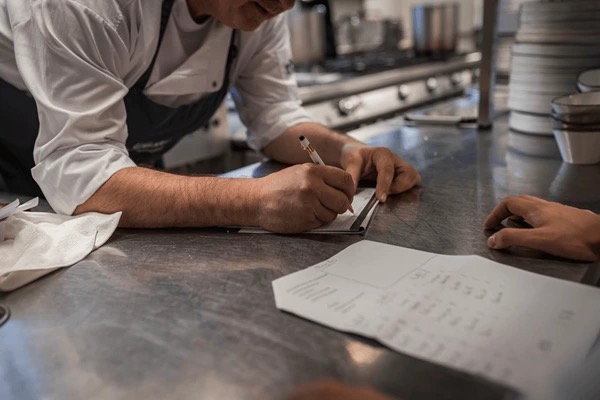

How to Operate a Successful Breakfast Service
After years in professional kitchens, I’ve learned that running a great breakfast buffet is about much more than just good food. It requires precise timing, smooth flow, consistent quality, strict safety, and strong teamwork.
With the right systems in place, teams can deliver a seamless, high-quality experience every day.
1. Menu Planning & Setup
Include essentials: eggs, bacon, sausages
Add variety with signature or seasonal dishes
Cater to dietary needs: vegetarian, vegan, gluten-free, dairy-free
Use pre-portioned items (fruit cups, cereal pots) to reduce waste and improve flow
Forecast prep volumes based on guest numbers and historical data
Set clear mise en place and prep levels to maintain consistency
2. Equipment Checklist
Hot holding: bain-maries, water baths, heated drawers
Cold holding: chilled display units, portioned containers
Self-serve: toasters, juice dispensers, coffee machines, tongs, ladles
3. Hot Holding Best Practices
Poached Eggs:
Pre-poach and chill in ice water
Store submerged below 5*c
Reheat in 57 – 60*c water bath – 20 minutes before service
Discard after 30 minutes
Bacon & Sausages:
Oven-roast in batches for even cooking and crispness
Drain on wire racks to avoid sogginess
Hold above 63*c in perforated trays with airflow
4. Replenishment Strategy
Serve small, frequent batches to keep food fresh
Use FIFO (First In, First Out) to ensure safety and reduce waste
5. Guest Flow & Staffing
Buffet Layout:
Design logical flow with clearly defined hot, cold, and dietary-specific sections
Label all items with allergens and dietary info
Keep gluten-free and allergen-free items separate, with dedicated tools and stations
Staffing:
Assign a chef to monitor buffet quality and replenishment during peak times
Allocate team members to clear tables, assist guests, and maintain buffet appearance
6. Food Safety & Hygiene
Temperature Control:
Hold hot food above 63*c, cold food below 5*c
Use calibrated temperature probes
Label items with preparation times and allergens
7. Cross-Contamination Prevention
Use dedicated utensils for allergen-free items
Replace shared utensils every two hours
Wipe down and sanitize surfaces frequently
8. Compliance
Keep accurate logs of temperature and safety checks
Train staff in allergen awareness and cross-contact prevention
Install sneeze guards where appropriate
9. Monitoring & Continuous Improvement
Review guest feedback, temperature records, and waste daily
Remove items that consistently go uneaten
Use SOPs to maintain consistency across teams
Conduct taste checks during service to uphold quality
A high-performing breakfast buffet is the result of detailed systems and proactive leadership.
If you manage breakfast operations in hotels or high-volume venues and want to improve your service, please get in touch.